

Meet Gerrit van Ommering: 2nd Place Winner of the “BLACK & WHITE” Online Art Competition
Location: Gold River
Meet Gerrit van Ommering: 2nd Place Winner of the “BLACK & WHITE” Online Art Competition
Gerrit van Ommering: Finding Possibility in the Unplanned
For photographer Gerrit van Ommering, creativity has always been closely connected to exploration. After a career in space systems, where envisioning, inventing, and realizing new technologies were central to his work, retirement presented an opportunity to pursue a different kind of creative challenge. Photography became the natural intersection of his technical curiosity and artistic instinct.
Rather than confining himself to a single photographic style, Gerrit describes his practice as “observational, opportunistic, and eclectic.” His work moves comfortably between traditional photographic observation and heavily altered, abstract, and mysterious imagery, often beginning with an unexpected visual possibility rather than a predetermined concept.
His featured work in CEV Art Gallery’s Black and White Art Exhibition demonstrates another dimension of this approach. A candid portrait of an older fiddler, captured during a photography gathering, became an exercise in seeing beyond the immediate moment. Through careful attention to light, shadow, texture, and composition, Gerrit transformed an unplanned encounter into an image that invites viewers to pause and consider the person behind the expression.
In this interview, Gerrit discusses his transition from space systems to photography, the creative possibilities of working in black and white, and the importance of recognizing an image's potential before knowing exactly where it may lead. He also reflects on experimentation, digital manipulation, the value of allowing ideas to emerge naturally, and the evolving relationship between photographic art and its audience.
Congratulations on your placement in CEV Art Gallery's Black and White Art Exhibition. To introduce you to our audience, can you share a little about yourself, your artistic journey, and what initially inspired you to pursue art?
I retired from a career in space systems that involved a great deal of creative activity in envisioning, inventing, and realizing new technologies. In retirement, I was looking for a creative outlet that combined technical and artistic challenges, and photography turned out to be it. I learned what I know about photography mostly by doing it and tend to reject structured learning as too slow a process. That same flawed attention span probably also underpins my lack of specialization in any particular photographic style. What I do is observational, opportunistic, and eclectic. I especially enjoy creating unique, heavily altered, abstract, or mysterious images.
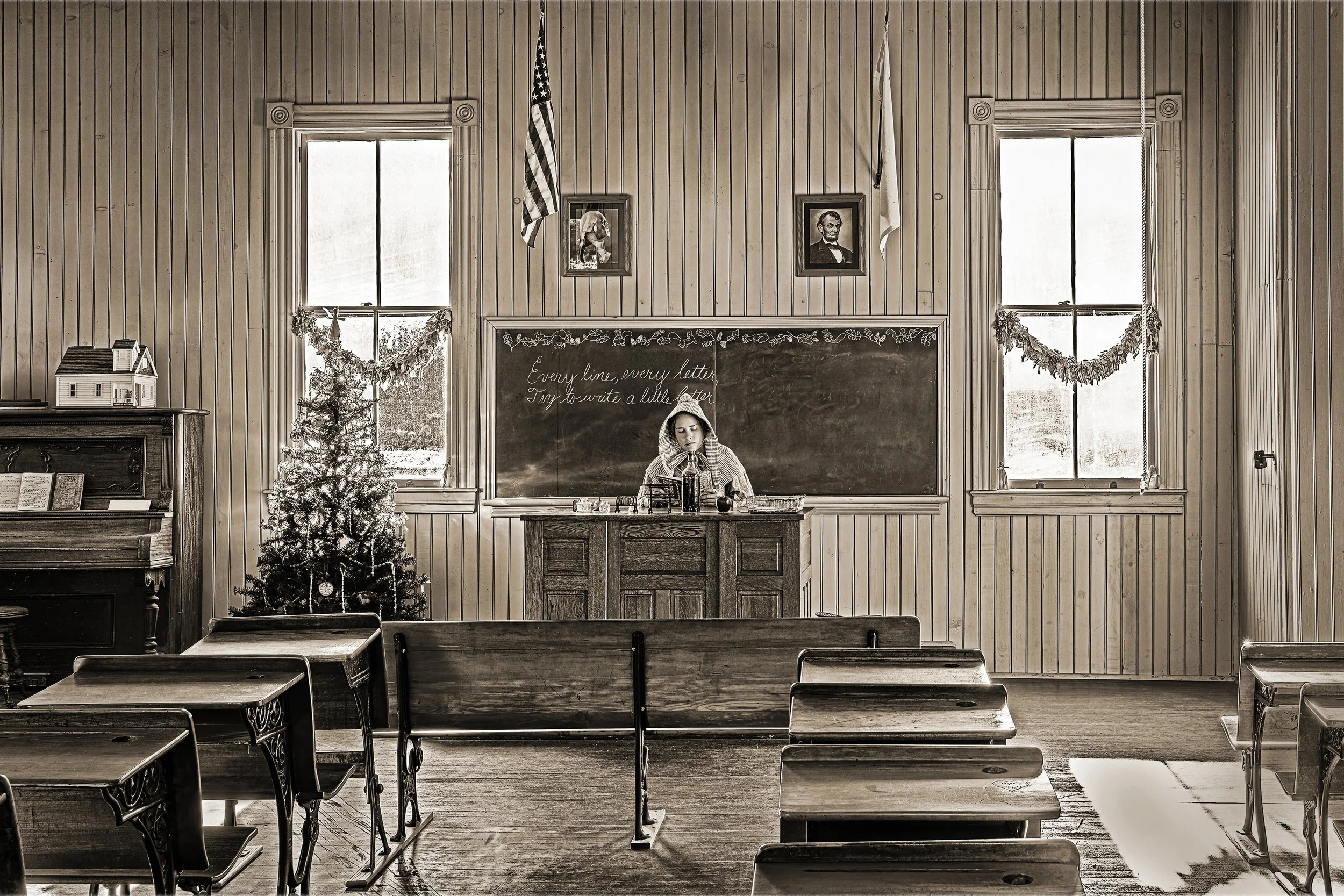
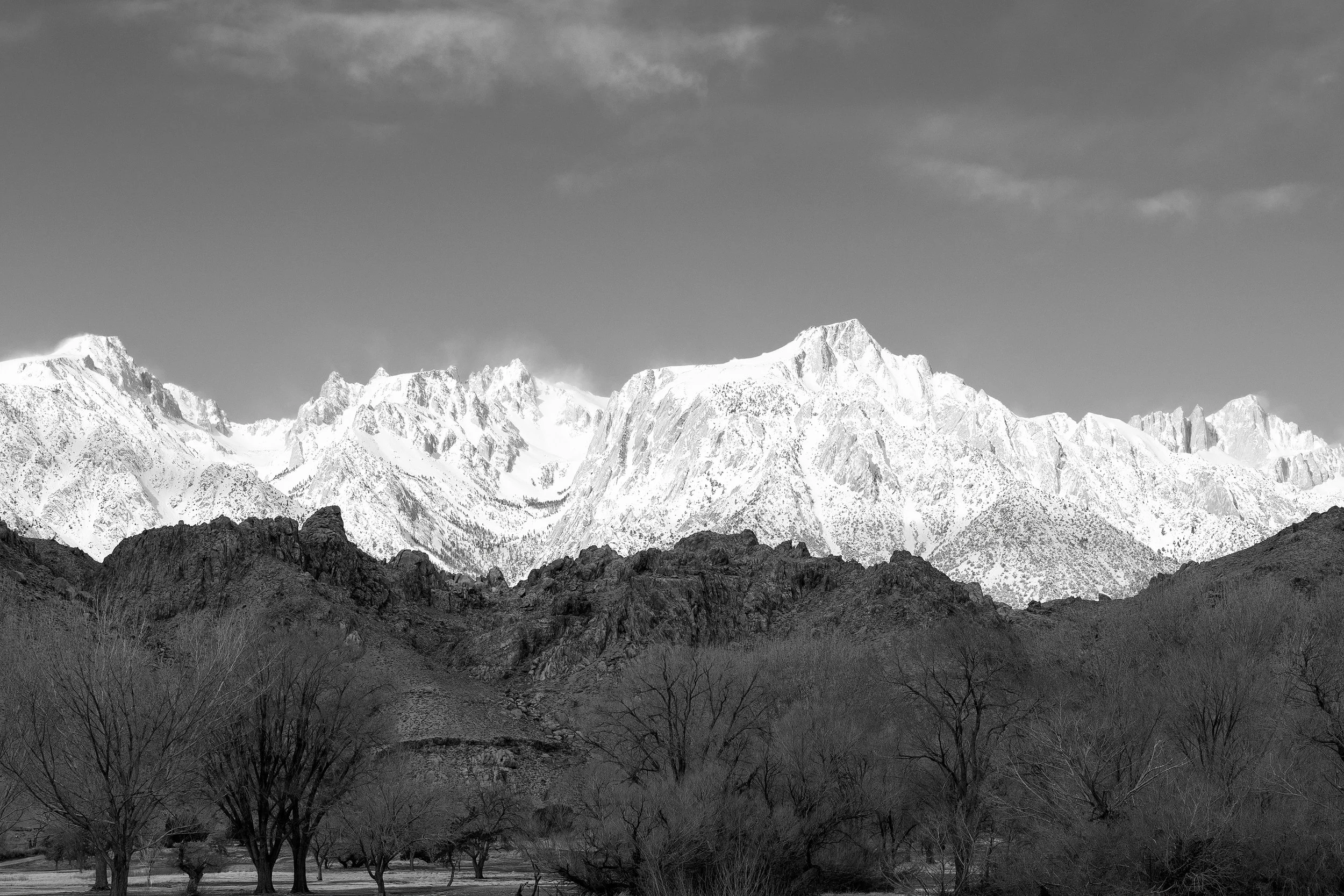
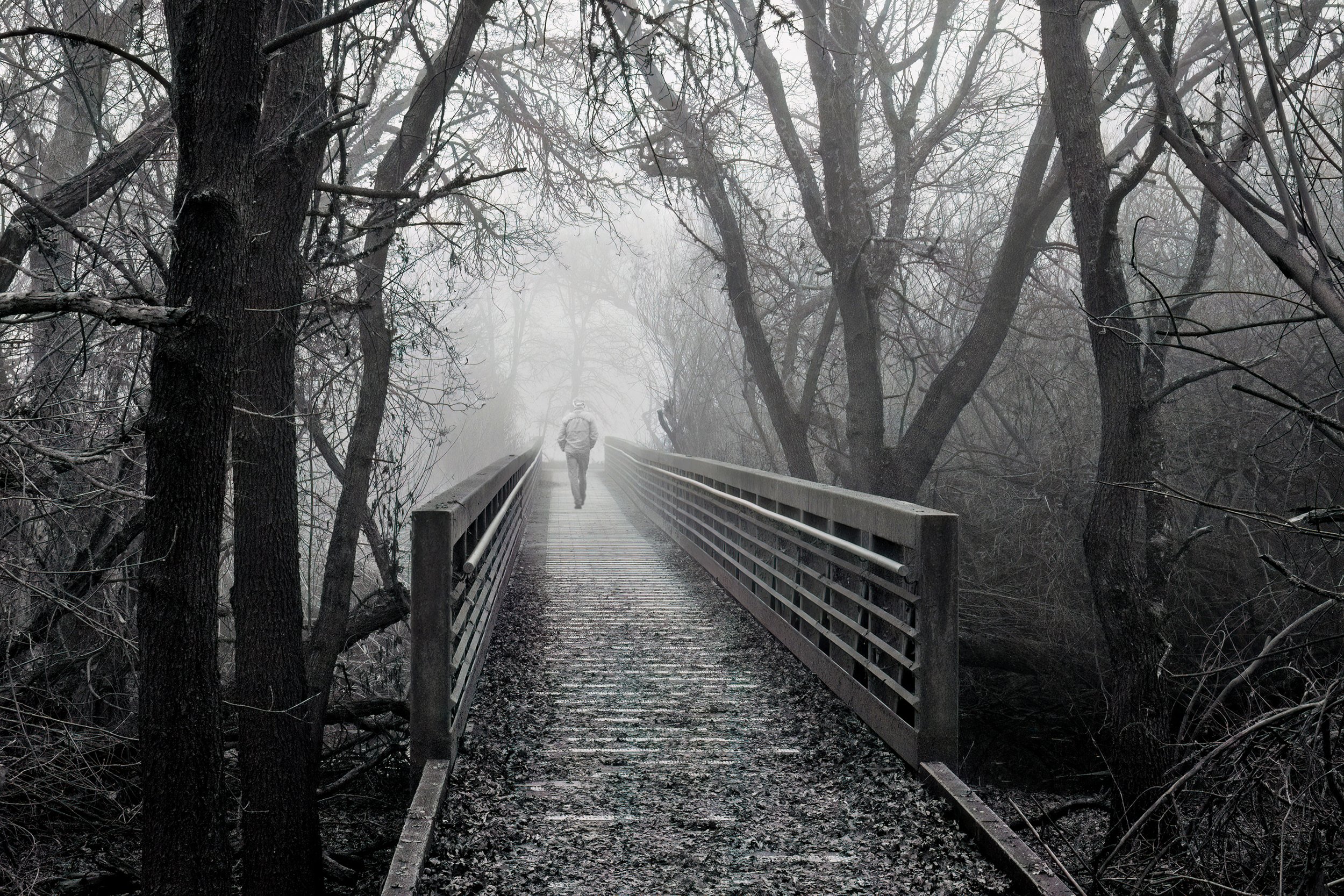
The Black and White Art Exhibition invited artists to explore the visual power of a limited palette. What drew you to the theme, and what does working without, or with minimal, color allow you to communicate that color may not?
I don't do a great deal of black-and-white work, but I like the challenge it presents. Without color to carry part of the visual load, light, form, texture, composition, and especially tonal relationships become much more important. I enjoy trying to make full use of the range from deep black to bright white while preserving the shades between them. Done well, black and white can strip an image down to its essential structure and often give a scene more drama, ambiguity, or emotional weight than it had in color
Your selected artwork stood out in this exhibition. Can you tell us about the inspiration behind the piece, including its story, subject, or emotional meaning, and what you hoped viewers would experience when they encountered it?
The old fiddler was sitting off to the side at a photography meet where he was eventually going to be one of the subjects. While people were endlessly discussing photography, I decided to do photography. The man had a serious, almost sad look in his eyes, the light was perfect, and I immediately felt that this could be a strong image. There wasn't much calculation involved; it was simply a moment that seemed worth catching. I hope viewers feel a small wave of empathy for this man and perhaps wonder a little about the life behind that expression.
Black and white artwork often relies heavily on elements such as contrast, light, shadow, texture, composition, and value. Which of these artistic elements played the most important role in your featured work, and how did you use it to strengthen the final piece?
All of the above played a role, but I would probably put light and composition first. The original image already had wonderful light and shadow, and the fiddler's face, beard, clothing, and instrument provided plenty of texture. I increased the contrast somewhat and cropped the image slightly to strengthen the composition and concentrate attention on his face and expression. Beyond that, I tried not to overwork it. Much of what makes the photograph effective was already there when I pressed the shutter
As an online art contest, your work is being viewed on screens all over the world. How does it feel to share your art in a digital space compared to a physical gallery, and how do you think that accessibility impacts the way people connect with your message?
I exhibit in both physical and online venues, and I actually enjoy the process of preparing, printing, matting, framing, and installing work for a physical exhibition. There is also something very different about seeing a finished print on a gallery wall rather than on a screen. Online exhibitions, however, give my images tremendous reach and provide many more opportunities to get the work in front of people. That is especially valuable for the strange, abstract, and heavily transformed work that has become my preferred niche. A physical gallery may reach hundreds of people; online, an image can suddenly find viewers almost anywhere.
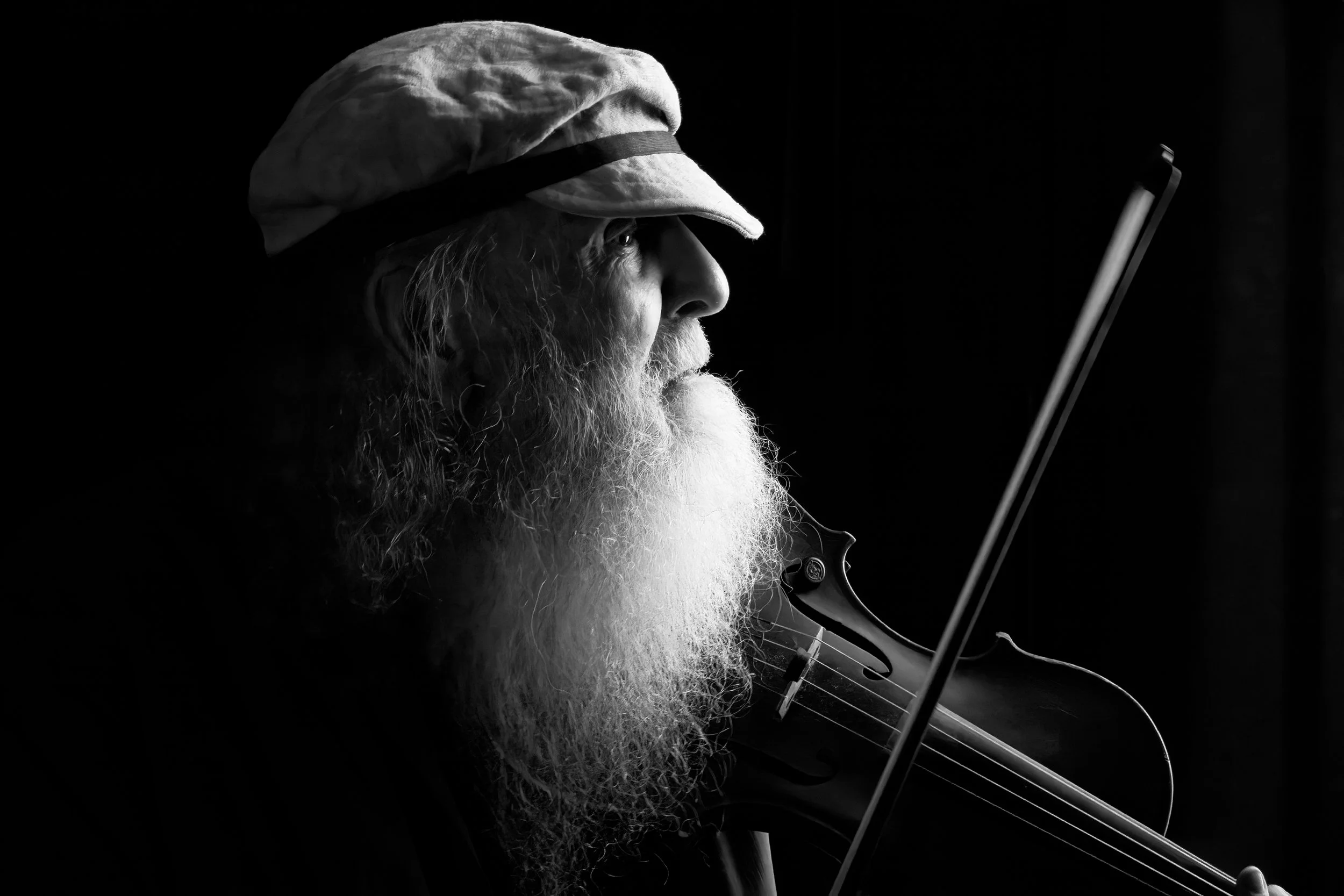
The Sad Fiddler, 18”x12”, photography, archival pigment print
As an artist, what is one skill, technique, creative habit, or professional lesson you have developed that has had a meaningful impact on your growth? How has that development influenced the work you create today?
I do a great deal of abstract, photo-based creative work, and over time I seem to have developed an instinct for recognizing photographs that can survive—or benefit from—radical alteration into something entirely different. I rarely know exactly why I select a particular photograph as the starting point for an abstract. Something in its shapes, lines, reflections, colors, or structure simply suggests possibilities. I have also learned that I can't force myself to create something interesting and new. When I try too hard, very little happens. I have to let the idea arrive and then chase it when it does.
Looking ahead, what is next for you as an artist? Are there any upcoming projects, creative goals, new directions, or ideas you are excited to explore —and where can our audience follow your work and continue supporting your artistic journey?
I have had several solo shows in both physical and online venues and would like to build on that, while continuing to get more work into exhibitions where it can find new audiences. At the same time, I am probably going to take a break from entering quite so many exhibits and spend more time creating new work and broadening my digital techniques. I will be adding more work to my website, but I usually test-drive new images first on my Facebook friends, many of whom are serious artists and are not shy about having opinions.
Anything else you want our audience to know about you?
Just that I appreciate their eyeballs on my work and their willingness to give me a few minutes of their time to see what I have come up with. There is an enormous amount of imagery competing for everyone's attention, so I never take that for granted. And I invite them to look at some of my other work on my appropriately named website, focused-eclecticism.com.
Gerrit van Ommering’s approach to photography is ultimately less about adhering to a particular style and more about remaining receptive to possibility. Whether capturing an unguarded expression, finding unexpected structure within an ordinary photograph, or radically transforming an image through digital techniques, his process begins with observation and develops through experimentation.
His featured black-and-white portrait offers a particularly compelling example of that philosophy. What began as a spontaneous moment at a photography gathering became an image shaped by light, composition, and restraint, one that leaves room for the viewer to imagine the story beyond the frame.
As Gerrit looks toward future exhibitions while making more time to develop new work and expand his digital techniques, his practice continues to reflect the same curiosity that first drew him to photography. His willingness to explore without being confined by a single genre makes his body of work particularly varied, while his emphasis on allowing ideas to arrive naturally gives the work an authentic sense of discovery.
CEV Art Gallery is pleased to spotlight Gerrit as part of its featured artist community and to share his perspective with an audience beyond the exhibition itself. His work reminds us that sometimes the most compelling images emerge when we simply pay attention, and recognize the possibility within an unexpected moment.
Explore & Connect
View the Exhibition: Browse the complete Black & White to view Gerrit van Ommering artwork alongside featured global artists.
Follow the Artist: Connect with Gerrit van Ommering ongoing creative journey and view her full portfolio via her official online channels.
Interested in being featured on the CEV Art Gallery blog? Email info@cevartgallery.com or keep an eye out for our next juried exhibition call for artists.
